

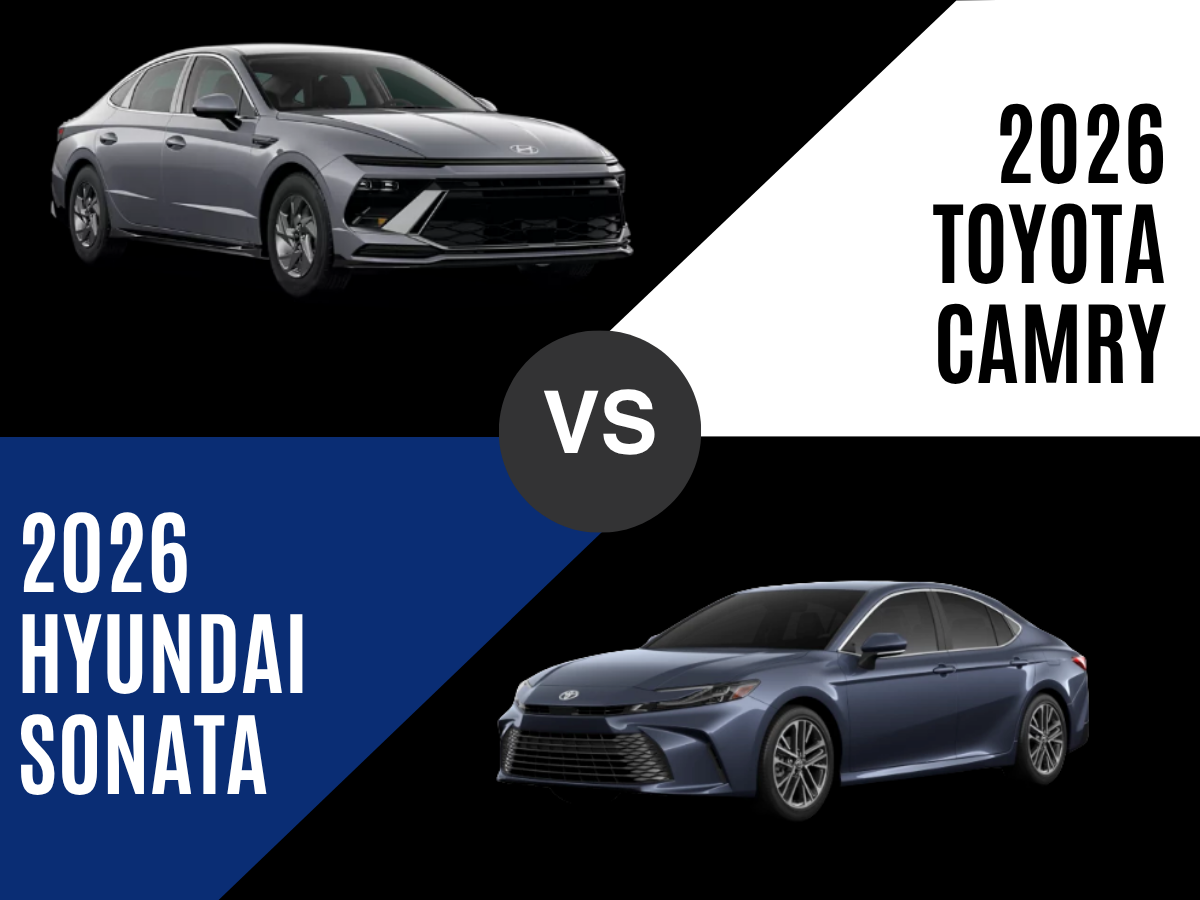
Midsize sedans still have a lot of fans in Conway, AR, and the Hyundai Sonata and Toyota Camry are two of the biggest names in the class. Both offer comfortable rides, solid fuel economy, and a long list of standard features. But once you get into the details, the two sedans take different paths. At Chris Crain Hyundai in Conway, AR, we compared the 2026 Hyundai Sonata and the 2026 Toyota Camry on design, performance, technology, safety, and interior space. Then we explain why we think the Sonata comes out on top. Overview The 2026 Hyundai Sonata comes in six trims: the SE, SEL Sport, and N Line gas models, plus three hybrid trims called Blue Hybrid, SEL Hybrid, and Limited Hybrid. The 2026 Toyota Camry has gone hybrid-only across its entire lineup, with five trims ranging from the LE up to the XSE. Right away, the Sonata gives Conway shoppers more variety, with both gas and hybrid power available in the same lineup. The Camry, by comparison, only comes as a hybrid now, so shoppers who want a traditional gas engine will not find one on the Camry lot. You can browse the current lineup on our new Hyundai Sonata inventory page, or check out our dedicated page on the 2026 Hyundai Sonata Hybrid. Design The Sonata has a bold, distinctive look, with a sweeping roofline, sharp LED lighting, and a wide grille that makes it easy to spot on the road. The N Line trim goes even further, adding a sportier body kit, unique wheels, and dual exhaust tips for drivers who want their sedan to stand out. The Camry's redesign brought a cleaner, more athletic look than past generations, but it still plays it safe compared to the Sonata. If you want a sedan with more personality parked in your driveway, the Sonata has the edge. Performance Here is where the Sonata really separates itself. The base engine is a 2.5-liter four-cylinder making 191 horsepower, with fuel economy up to 32 mpg combined. Step up to the Sonata N Line, and you get a turbocharged 2.5-liter engine producing 290 horsepower and 311 lb-ft of torque, numbers no Camry trim can touch. You can read more about this trim in our post on Hyundai N Line vehicles. If fuel economy matters more to you, the Sonata Hybrid delivers an EPA-estimated 51 mpg combined, which actually beats the Camry LE's 50 mpg combined rating. That means the Sonata lineup can outrun the Camry at the top end and out-sip it at the efficient end, all in the same model line. The Camry, now hybrid-only, makes a strong 232 horsepower, but it does not offer anything close to the N Line's performance. For more on how Hyundai builds performance into its lineup, see our article on Hyundai performance in Conway, AR. Technology Every 2026 Sonata trim comes standard with a 12.3-inch touchscreen, even on the base SE. Wireless charging is available starting on the SEL Sport trim and above. That means Sonata shoppers get a full-size touchscreen without having to pay for a top trim first. The Camry starts with a smaller 8-inch touchscreen on the LE, and only moves up to a 12.3-inch display on the XLE and higher trims. Wireless charging is available on the Camry as well, but the Sonata's approach of giving every trim the larger screen makes shopping simpler for buyers who want a full-size display without having to hunt for the right trim. Safety Every 2026 Sonata comes standard with Hyundai SmartSense. This full suite includes Forward Collision-Avoidance Assist with pedestrian and cyclist detection, Lane Keeping Assist, Lane Following Assist, Smart Cruise Control with Stop & Go, Blind-Spot Collision Warning, and Safe Exit Warning. Higher trims add Highway Driving Assist, a Surround View Monitor, and Remote Smart Parking Assist. The Camry counters with Toyota Safety Sense 3.0, a well-regarded system in its own right. Both sedans take safety seriously and come well-equipped from the base trim up. The difference lies in the extras: the Sonata's higher trims add features like a 360-degree camera view and remote parking assist, giving drivers even more confidence in tight spots around Conway. Interior Step inside the Sonata, and you get a spacious, modern cabin with the same large touchscreen across every trim, so the interior feels upscale even in the base model. Higher trims add more comfort features, and the N Line brings sport seats and unique interior trim for a more driver-focused feel. The Camry's cabin is comfortable and well built, especially in its higher trims, but the smaller base screen makes the entry-level LE feel less modern than the base Sonata. Buyers who want the Camry's best interior touches need to move further up the trim lineup. Our Choice After comparing both sedans, we believe the 2026 Hyundai Sonata is the better choice for drivers in Conway, AR. It offers a wider range of trims and gives buyers a genuine choice between hybrid efficiency and turbocharged performance within a single lineup. The Sonata Hybrid even out-mpgs the Camry's own hybrid-only lineup, and the N Line offers a level of performance the Camry simply cannot match. Every new Sonata also comes backed by Hyundai's strong ownership benefits. Learn more in our article on Hyundai's complimentary maintenance program. Ready to see the 2026 Hyundai Sonata for yourself? Visit Chris Crain Hyundai in Conway to test-drive one today, or browse our current new-vehicle specials to see what is available right now.
Why Buy Certified Pre-Owned? Inside Hyundai's CPO Program at Chris Crain Hyundai
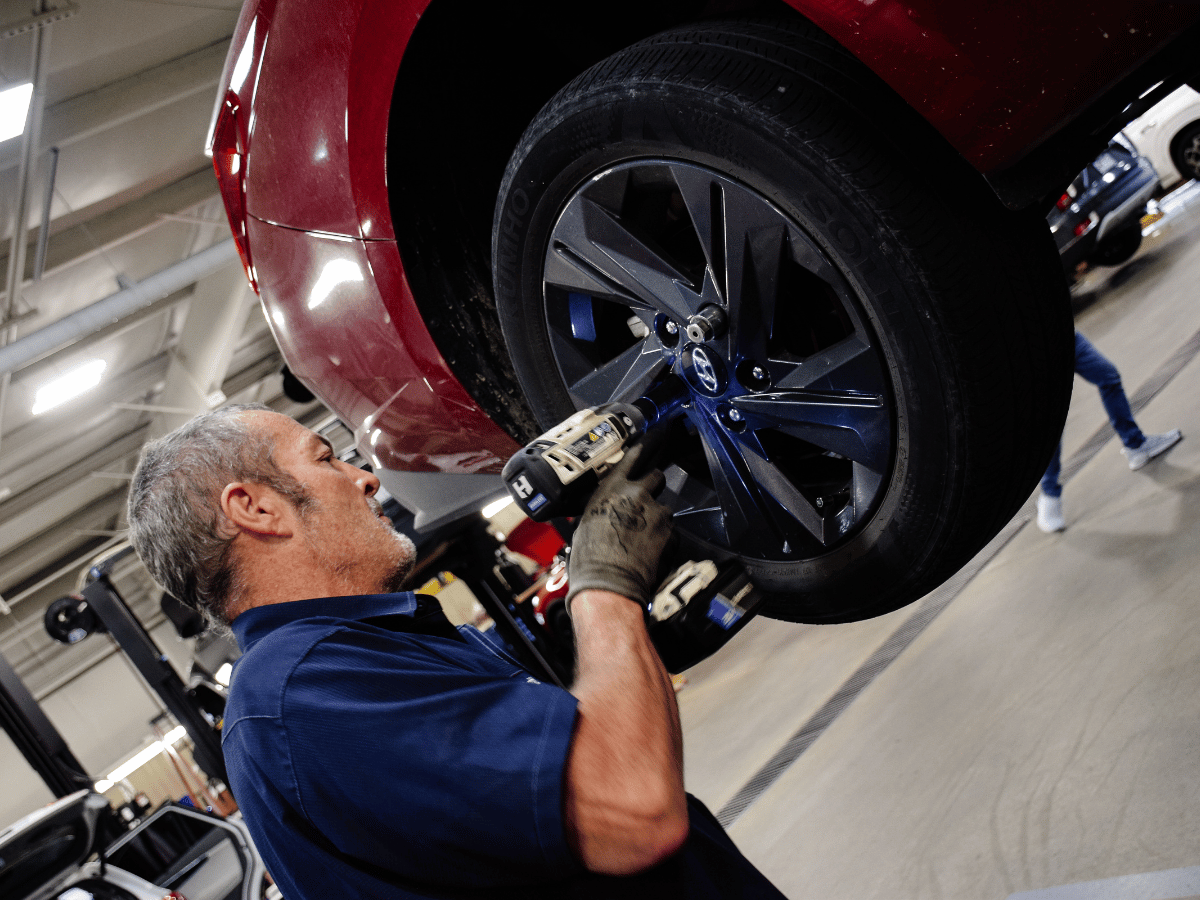
Buying a used car can feel like a gamble. You do not always know how the last owner treated it, or what problems might show up down the road. Hyundai's Certified Pre-Owned program, often called CPO, is built to take that worry away. A certified vehicle has already been inspected, backed by a real warranty, and checked for hidden problems before it ever reaches the lot. Here is what the Hyundai CPO program actually covers, and why it might be the smartest way to buy your next car at Chris Crain Hyundai. What Makes a Hyundai "Certified"? Not every used Hyundai can become a Certified Pre-Owned vehicle. To qualify, a car generally has to be under six model years old. It also needs fewer than 80,000 miles on the odometer. That rule alone keeps older, higher-mileage vehicles out of the program. It means every CPO Hyundai starts from a solid baseline, before any inspection even begins. From there, each vehicle goes through a 173-point inspection performed by trained technicians. This is not a quick once-over. It covers 33 mechanical checks, 11 maintenance checks, and 7 tire and wheel checks. It also includes 34 exterior checks, 58 interior checks, and 29 checks during an actual road test. Technicians look at everything from the brakes and suspension to the air conditioning and infotainment screen. Every vehicle also comes with a full CARFAX vehicle history report, so you can see the car's past before you buy it. If a Hyundai does not pass this inspection, it does not receive the Certified label and does not go on our certified lot. Once a vehicle passes, it is reconditioned to meet Hyundai's standards before it is offered for sale. That means any worn parts found during the inspection get fixed, not just noted on a checklist. You can browse our current lineup on our certified pre-owned inventory page. The Warranty Coverage Behind Every CPO Hyundai A big part of what makes CPO worth it is the warranty. Every certified vehicle comes with the remainder of its original 5-year, 60,000-mile comprehensive warranty. On top of that, Hyundai reinstates a 10-year, 100,000-mile powertrain limited warranty. This is measured from the vehicle's original in-service date, not from the day you buy it. It covers major components like the engine and transmission, with a $50 deductible per covered repair visit. This kind of coverage is hard to find on a regular used car. A car from a private seller or a non-certified lot might come with no warranty at all. That leaves you responsible for every repair bill the moment you drive off the lot. With a Hyundai CPO vehicle, you get real protection built in from day one, on top of a car that has already passed a strict inspection. Roadside Assistance and Extra Perks The benefits do not stop at the warranty. Every Hyundai CPO vehicle comes with 10 years of complimentary roadside assistance, with no mileage limit. That covers towing, jump-starts, flat-tire changes, lockout help, and fuel delivery. This support is available any time, every day of the year, so help is never far away if something goes wrong. If your car ever needs a covered repair, Hyundai also offers rental car reimbursement. You can get up to $35 a day for up to 10 days while your car is in the shop. If you break down more than 150 miles from home, a travel interruption benefit can help cover meals, lodging, and transportation while your car is being repaired. That kind of coverage matters if you take road trips or drive long distances for work. New CPO owners also get a complimentary trial of SiriusXM satellite radio, so you can enjoy a small bonus while you settle into your new-to-you car. Why CPO Beats a Regular Used Car When you put it all together, the difference between a Certified Pre-Owned Hyundai and a standard used car is significant. A regular used car might save you a little money upfront, but you are taking on more risk. You do not always know its full history, and you may not get any warranty coverage at all. A CPO Hyundai gives you a known age and mileage range, a documented inspection, a real warranty, and years of roadside assistance. For many buyers in Conway, that peace of mind is worth more than the small price difference between certified and non-certified used cars. If you already own a Hyundai and are thinking about trading up to a certified model, our post on what your trade-in is worth at Chris Crain Hyundai can help you get started. CPO is also a smart middle ground for buyers who want new-car confidence without a new-car price tag. If you are comparing a certified used model against buying brand new, our article on Hyundai's complimentary maintenance program explains another way Hyundai adds long-term value to ownership, whether your car is new or certified. Find Your Certified Pre-Owned Hyundai at Chris Crain Hyundai Buying certified pre-owned means you get a well-inspected vehicle, a strong warranty, and years of extra support, all at a price that is usually lower than a brand-new model. It is a straightforward way to get a reliable car without the guesswork that usually comes with buying used. Ready to see what is available? Browse our certified pre-owned overview to learn more about coverage details, or check our current used vehicle specials to find today's best deals. You can also visit our finance application page to get pre-qualified before you even step onto the lot. Stop by Chris Crain Hyundai in Conway to test drive a certified pre-owned Hyundai today, and see why so many drivers trust our CPO lineup for their next vehicle.