




Comparing Two Compact SUVs for Central Arkansas Roads
Conway, AR drivers cross-shopping compact SUVs keep landing on the same two names: the 2026 Hyundai Tucson vs. the 2026 Subaru Forester. Both are five-passenger compact SUVs built for interstate commutes, river-valley backroads, and unpredictable Arkansas weather. This comparison focuses on the standard gas lineups — the Tucson also comes in Hybrid and Plug-in Hybrid, and the Forester offers a Hybrid, but a gas-to-gas look keeps things apples-to-apples. At Chris Crain Hyundai, we evaluate design, performance, interior space, technology, safety, fuel economy, and ownership value before making a recommendation. For full trim details, see the 2026 Hyundai Tucson research page.
Vehicle Comparison
2026 Hyundai Tucson
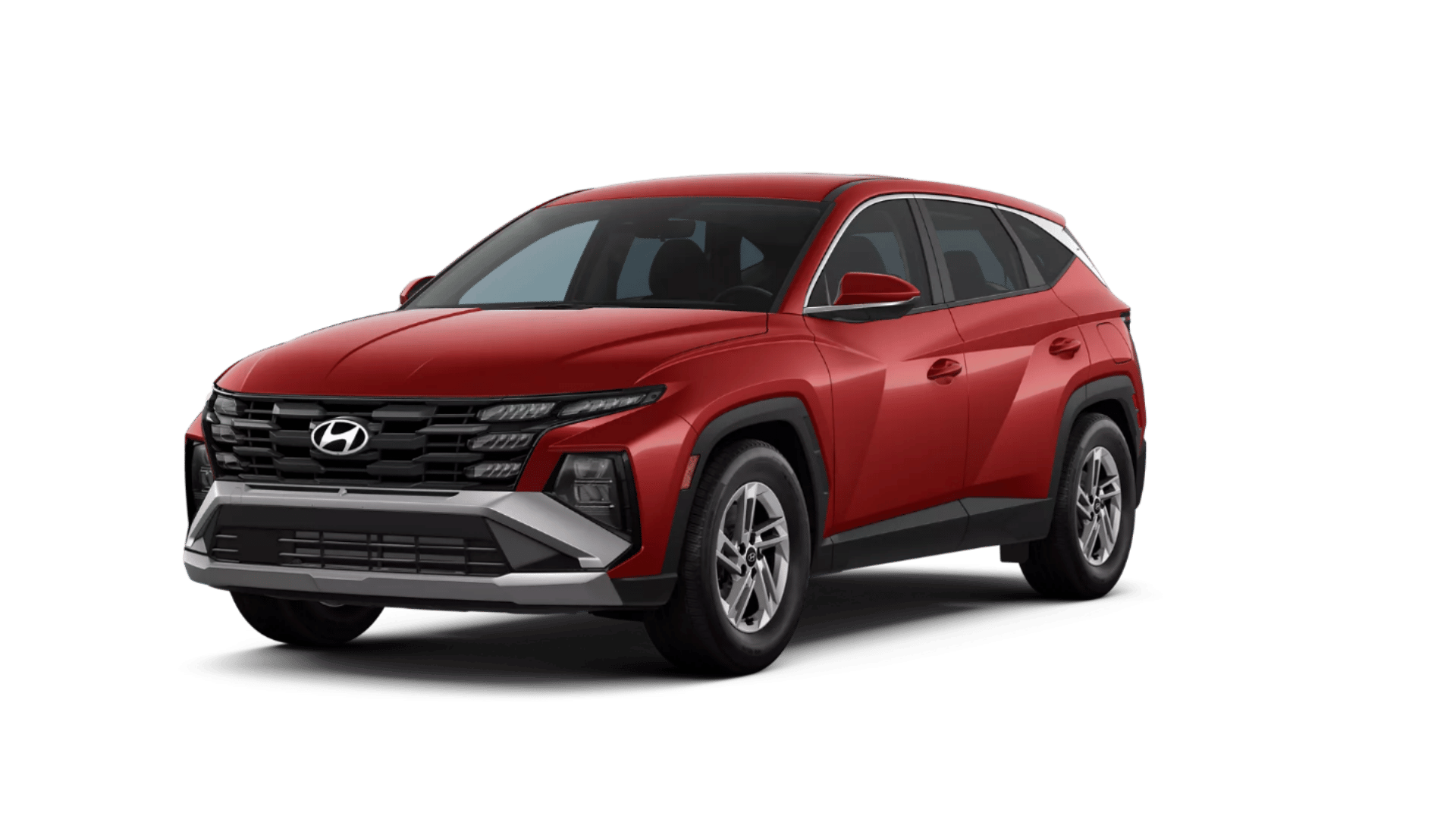
- HTRAC AWD
- Panoramic curved display
- Hands-free smart power liftgate
2026 Subaru Forester
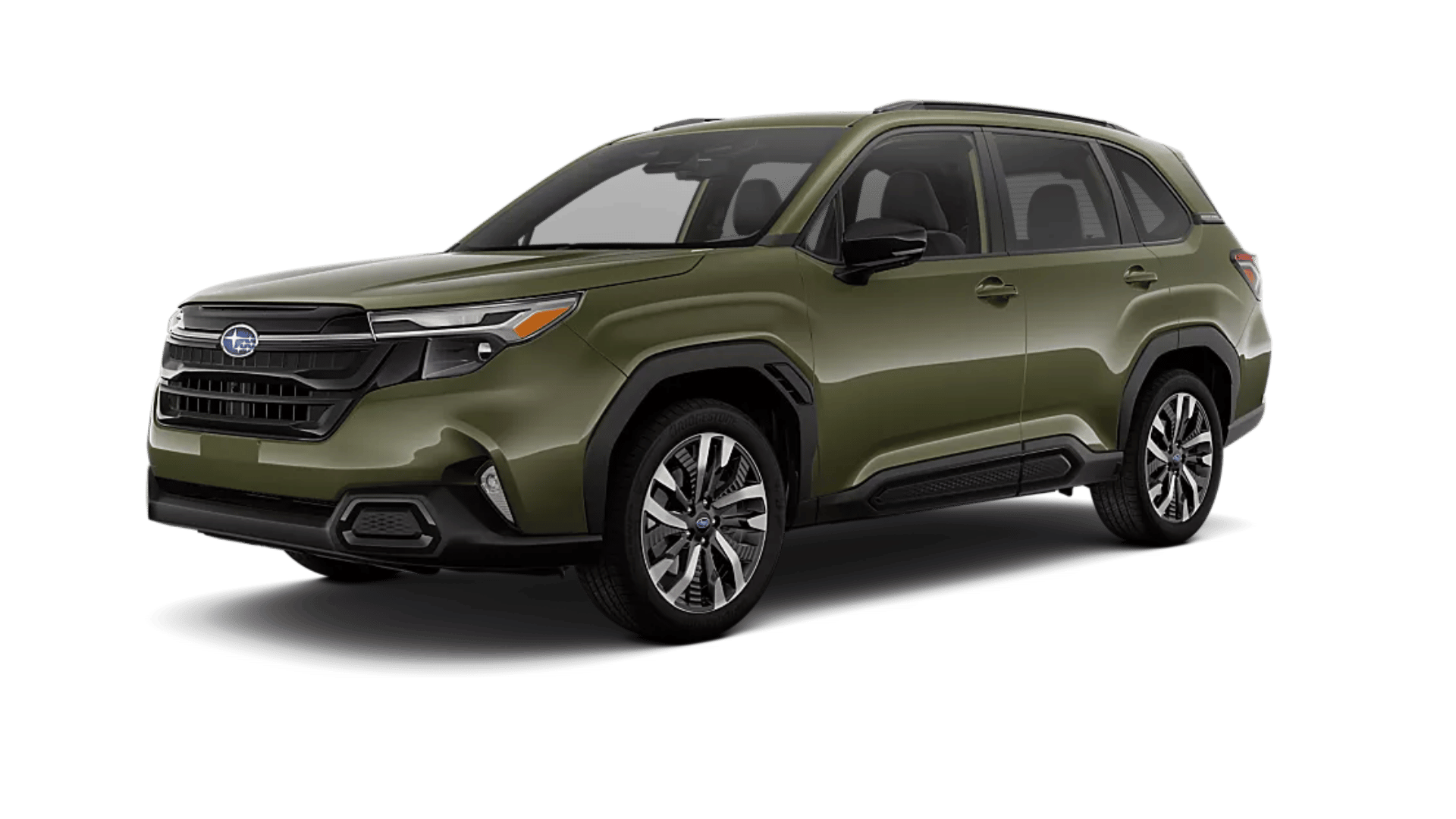
- Standard Symmetrical AWD
- 11.6″ Multimedia touchscreen
- Foot-activated hands-free Power Rear Gate
Design and Styling: Bold Curves vs. Rugged Utility
The Tucson wears “uptown style” with a bold front face, available 19-inch alloy wheels, a hands-free smart power liftgate on upper trims, and an XRT trim adding unique lower fascias and exterior cladding for a rugged look. The Forester keeps a more traditional shape across Base through Touring trims. However, the Sport’s available Onyx Edition Package brings gloss-black and metallic accents, standard 19-inch wheels, and Black/Gray StarTex upholstery. Drivers wanting real off-road styling should note the Forester Wilderness, which adds standard all-terrain tires and increased ground clearance.
- Tucson XRT adds off-road-inspired cladding and fascias without changing ride height.
- Forester Wilderness offers standard all-terrain tires and more ground clearance.e
- Both offer available 19-inch alloy wheels on upper trims
Ride and Performance: Everyday Comfort Meets Confident Handling
On Conway’s mix of highway miles and backroads, both SUVs are tuned for comfort first. The Tucson’s 187-hp 2.5L four-cylinder pairs with available HTRAC AWD, which actively distributes power between the front and rear axles for extra grip. The Forester’s 180-hp 2.5L engine comes with Symmetrical All-Wheel Drive standard on every trim, plus available X-MODE and dual-function X-MODE for added traction in slick or uneven conditions — a system built into the Forester’s core identity.
- Tucson: 187 hp, HTRAC AWD available
- Forester: 180 hp, Symmetrical AWD standard on every trim, available X-MODE traction control
Interior and Space: Room to Live With
Both SUVs seat five and are built for families and gear. The Tucson offers up to 108.2 cubic feet of passenger volume and up to 74.8 cubic feet of cargo space, with a dual-level cargo floor and remote-release 60/40 split fold-down rear seats. The Forester counters with up to 110.8 cubic feet of passenger volume on the Base trim (106.6 cubic feet on other trims) and up to 74.4 cubic feet of maximum cargo space.
- Tucson: 108.2 cu ft passenger volume, 74.8 cu ft max cargo, dual-level cargo floor
- Forester: up to 110.8 cu ft passenger volume (Base trim), 74.4 cu ft max cargo
Technology: Screens, Connectivity, and Convenience
The Tucson comes standard with a 12.3-inch touchscreen. It offers a 12.3-inch digital instrument cluster that pairs with a panoramic curved display, plus Bluelink+ connectivity, wireless Android Auto and Apple CarPlay, Hyundai Digital Key 2, and wireless device charging. The Forester’s tech centers on its available 11.6-inch Multimedia Plus System and 11.6-inch Multimedia System with Navigation, with an optional Harman Kardon audio package on upper trims. Want the full rundown on Hyundai’s setup? See our HTRAC AWD explained guide, which also covers Tucson’s driver tech.
- Tucson: 12.3-inch touchscreen standard, available digital cluster, and panoramic display
- Forester: available 11.6-inch Multimedia Plus/Navigation systems, optional Harman Kardon audio
Safety: Two Different Paths to Peace of Mind
Both SUVs are strong safety performers. The 2026 Tucson earned a 2026 IIHS Top Safety Pick+ award and a 5-Star NHTSA overall safety rating, plus available Remote Smart Parking Assist, Blind-Spot View Monitor, and Surround View Monitor. The Forester relies on standard EyeSight Driver Assist Technology, with available Automatic Emergency Steering and a 360-degree Surround-View Monitor, and its own 5-Star NHTSA Overall Vehicle Score. For a closer look at Hyundai’s suite, read our Hyundai SmartSense safety technology guide.
- Tucson: 2026 IIHS Top Safety Pick+, 5-Star NHTSA rating, available Remote Smart Parking Assist
- Forester: standard EyeSight Driver Assist, available Automatic Emergency Steering, 5-Star NHTSA rating
Performance, AWD, and Fuel Economy
For Conway drivers weighing fuel costs, the numbers are close. The gas Tucson’s 187-hp engine returns up to 28 combined MPG in FWD trims (25 city/33 highway) or 26 combined in AWD trims (24 city/30 highway), with HTRAC AWD available across the gas lineup. The gas Forester’s 180-hp engine, with Symmetrical AWD standard on every trim, returns up to 33 highway/26 city MPG on Base, Premium, and Limited, or 32 highway/25 city on Sport and Touring. Both brands also sell hybrids outside this comparison’s scope — the Tucson Hybrid reaches up to 38 combined MPG, and the Forester Hybrid offers up to a 581-mile range.
- Tucson (gas): 187 hp, up to 28 combined MPG FWD, HTRAC AWD available
- Forester (gas): 180 hp, up to 33 hwy/26 city MPG, Symmetrical AWD standard
Our Take: Why We’d Point Conway Drivers to the Tucson
Both are excellent five-passenger compact SUVs, and the Forester’s standard AWD on every trim is a genuine advantage for buyers who don’t want to upgrade to a higher trim for it. For most Conway drivers, though, we lean toward Tucson. It pairs a lower starting price with a longer powertrain warranty, a standard 12.3-inch touchscreen that most Forester trims don’t match, and available Remote Smart Parking Assist. Drivers who prioritize standard AWD or Subaru’s resale reputation may still prefer the Forester — a reasonable call, too.
Ready for a new ride? Stop by Chris Crain Hyundai in Conway, AR!
FAQs: 2026 Hyundai Tucson vs. 2026 Subaru Forester
Which, the Tucson or the Forester, gets better gas mileage? The gas Forester edges out the gas Tucson on paper, reaching up to 33 highway/26 city MPG on its top trims versus the Tucson FWD’s 25 city/33 highway. Both brands also sell hybrid versions with notably higher combined MPG and range if efficiency is the priority.
Is all-wheel drive standard on the Tucson and Forester? AWD is standard on every trim of the Forester. In Tucson, Hyundai’s HTRAC AWD is available across the gas lineup, but isn’t standard — FWD is the base configuration.
Which SUV has the better warranty? Tucson has the edge here. Hyundai’s America’s Best Warranty includes a 10-year/100,000-mile powertrain limited warranty, which is 5 years and 40,000 miles longer than Subaru’s coverage.
Connect with us


- July 2026
- June 2026
- April 2026
- February 2026
- January 2026
- December 2025
- November 2025
- October 2025
- September 2025
- August 2025
- July 2025
- June 2025
- May 2025
- March 2025
- February 2025
- December 2024
- November 2024
- October 2024
- September 2024
- August 2024
- July 2024
- June 2024
- May 2024
- April 2024
- May 2023
- August 2022
- March 2022
- February 2022
- November 2020
Archives
Categories
Chris Crain Hyundai

Address
1003 Museum Road
Conway, AR 72032
Phone
- Sales 501-298-4703
- Service 501-298-1701
- Parts 501-999-8298
| Monday | 9:00AM - 7:00PM |
| Tuesday | 9:00AM - 7:00PM |
| Wednesday | 9:00AM - 7:00PM |
| Thursday | 9:00AM - 7:00PM |
| Friday | 9:00AM - 7:00PM |
| Saturday | 9:00AM - 7:00PM |
| Sunday | Closed |
| Monday | 7:00AM - 6:00PM |
| Tuesday | 7:00AM - 6:00PM |
| Wednesday | 7:00AM - 6:00PM |
| Thursday | 7:00AM - 6:00PM |
| Friday | 7:00AM - 6:00PM |
| Saturday | 8:00AM - 3:00PM |
| Sunday | Closed |
| Monday | 7:00AM - 6:00PM |
| Tuesday | 7:00AM - 6:00PM |
| Wednesday | 7:00AM - 6:00PM |
| Thursday | 7:00AM - 6:00PM |
| Friday | 7:00AM - 5:00PM |
| Saturday | 8:00AM - 3:00PM |
| Sunday | Closed |
